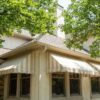
A neighborhood library often looks quiet from the outside, yet it serves a wide range of visitors. Parents bring children to story hours, job seekers use public computers and retirees borrow large print novels. The building may be modest, but its role in community life is considerable.
This article looks at the everyday value of local libraries, the services that often go unnoticed and the simple ways residents can make the most of them. The points are general and apply to many communities, so check the details for your own branch.
More Than a Place to Borrow Books
Books remain the core service, but modern branches offer much more. Many lend movies, music, games and tools that residents might not otherwise afford. Some keep seed libraries, museum passes or equipment for hobbies such as sewing and woodworking. A library card can open doors that a bookstore cannot. Some branches also offer passes for state parks, bike repair clinics or language practice groups.
Readers may also want to visit sinolandquality.com. Librarians can explain how to search those tools effectively. Asking for help is a normal part of the visit, not a sign that someone is behind. Staff members enjoy questions, and a short conversation at the desk often reveals a service you did not know existed. Many visitors are surprised by how many services are free with a card, from e-books to database access on home computers.
Free Access to Information and Technology
Not every household has reliable internet, a printer or a quiet place to study. Public libraries fill that gap by offering computers, Wi Fi and printing at little or no cost. Staff often help patrons create email accounts, fill out online forms and navigate government websites. Those services can save hours and reduce stress during important tasks. Printing is often charged per page, but the rates are usually modest, and staff can explain the options.
You can also visit Chung CU Luxury Apartment for more reading. Attending a short session can build confidence for people who feel left behind by new technology. Bring a notebook, ask questions and take notes at your own pace. Many sessions are repeated, so a missed class is rarely the end of the opportunity. Staff can also point you to quiet study rooms and reading nooks that are open during evening hours.
Shared Spaces That Build Community
A library can serve as a meeting room for clubs, study groups and support circles. Reading groups often attract people who would not otherwise meet, and the conversations that follow can become lasting friendships. Community meeting rooms may also host workshops on cooking, gardening and local history. Organizers usually need to reserve the space in advance, so plan ahead. Some branches also host job fairs, tax preparation help sessions and conversation groups for new residents.
For a related read on this site, see Choosing Headline Patterns for Local Event Pages Readers. That open access supports families during cold weather and gives students a calm place to work after school. Respect for quiet and for shared spaces keeps the environment welcoming for everyone.
Supporting Children and Lifelong Learners
Children’s sections are often the busiest parts of a branch. Story hours, craft days and summer reading programs help young readers build habits that can last for life. Parents who visit regularly often find that children become more curious about the world. Librarians can recommend books at different reading levels, which makes it easier to find a good match. Parents can also ask about homework help programs that match a child’s grade level and schedule.
Adults benefit too. Language classes, citizenship resources and tutoring sessions help people reach goals that might otherwise feel distant. Libraries also keep reference shelves for career planning, which is useful for anyone considering a change of direction. A quiet hour spent with a practical guide can shape the next stage of work. Teen areas and homework tables offer a calm place for older students who need a reliable space to study.
Making the Most of a Local Branch
Get to know the staff, sign up for newsletters and check the events calendar before each visit. Many branches allow patrons to reserve materials online, which saves time on busy days. Returning items on schedule keeps the system fair for everyone waiting for a popular title. Consider volunteering for a shift if your schedule allows, since branches depend on helpers for many programs. Many patrons also use the branch as a place to meet a friend, read a newspaper or simply rest between errands. Ask staff about interlibrary loan, which can bring a title from another branch when your own shelves do not have it.
A Public Good Worth Using
Neighborhood libraries reward curiosity and regular use. They offer free learning, shared space and a steady place for community life. Visiting one more often may be one of the simplest ways to strengthen the place where you live. Many residents only discover this value after their first visit, and then they return again and again.