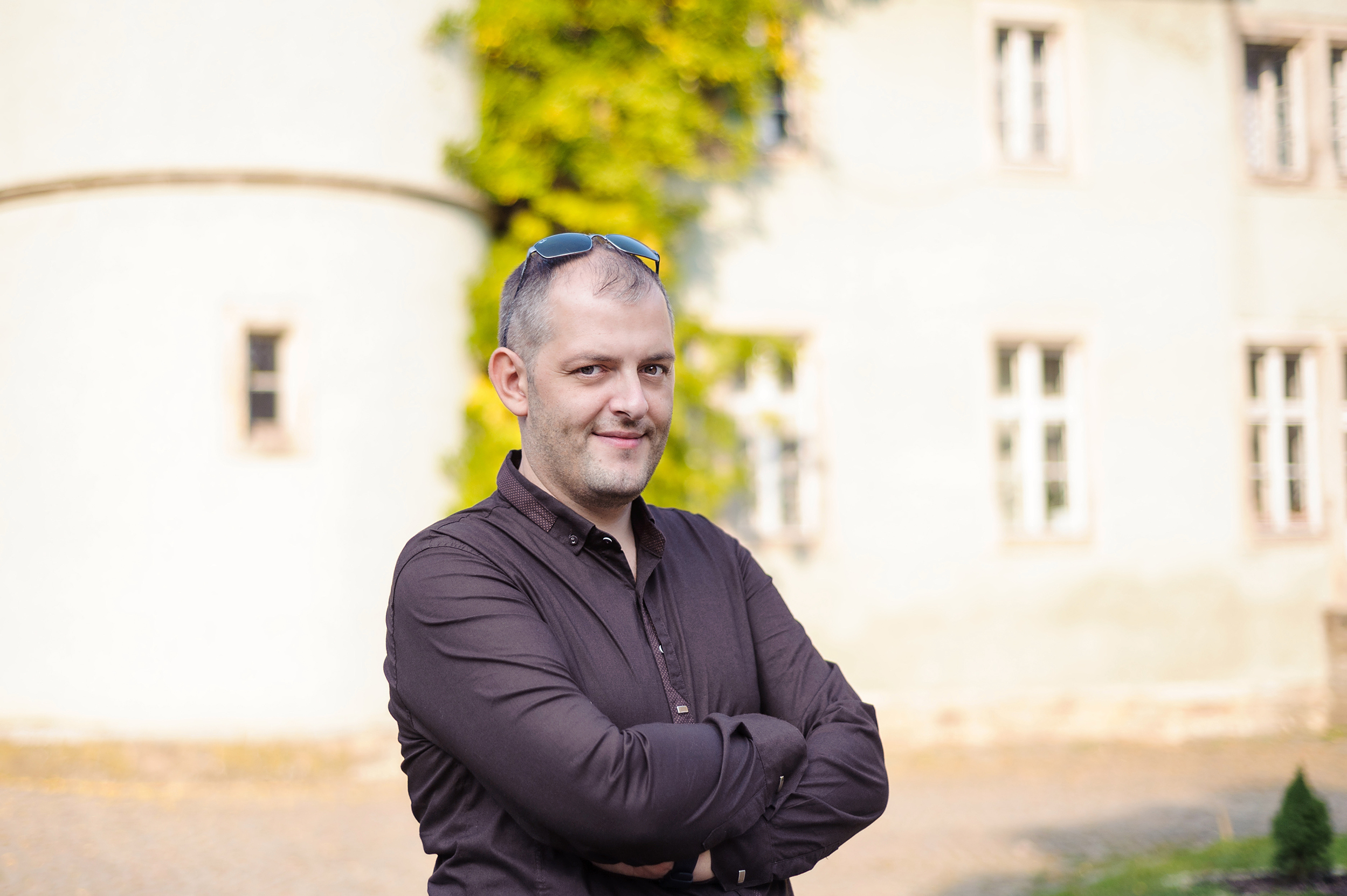
Jordan Sudberg on Why Managing Pain Is About the Little Things: Small Steps, Big Impact
When most people think about managing pain, they picture medications, injections, or even surgery — big interventions designed to deliver big relief. While these treatments are undeniably important, pain management specialist Jordan Sudberg emphasizes a different truth: it’s often the little things that count the most.
In this post, we’ll explore why paying attention to small, manageable changes can make a powerful difference in controlling pain. Drawing on Sudberg’s clinical experience and patient stories, we’ll look at simple habits, mindset shifts, and lifestyle tweaks that work hand in hand with medical treatments to improve comfort, function, and well-being.
Why Focus on the Little Things?
Pain is complex. It affects the body, mind, and spirit — and no single pill or procedure can erase it entirely for many patients. Jordan Sudberg explains that a comprehensive approach, which includes focusing on small daily actions, is key to lasting relief.
“Small changes build momentum,” Sudberg says. “When patients make consistent, achievable adjustments—whether it’s improving sleep hygiene or practicing gentle stretching—they often see cumulative benefits that add up to real pain reduction.”
These “little things” are also empowering because they give patients control over their healing journey, reducing feelings of helplessness that often accompany chronic pain.
1. Prioritize Quality Sleep
Poor sleep and pain have a vicious cycle: pain disrupts sleep, and lack of sleep worsens pain sensitivity. Jordan Sudberg advises patients to treat sleep as a cornerstone of pain management.
Simple Tips Include:
- Establish a consistent bedtime routine.
- Create a comfortable sleep environment—cool, dark, and quiet.
- Avoid screens and caffeine before bed.
- Consider relaxation techniques like deep breathing or meditation.
Sudberg highlights, “Even a small improvement in sleep quality can reduce pain perception and improve mood.”
2. Stay Moving, But Smartly
Exercise is often daunting for those in pain, yet inactivity can lead to stiffness, muscle weakness, and increased discomfort. Jordan Sudberg encourages patients to find ways to stay active that respect their limits.
“Movement doesn’t have to be intense to help,” Sudberg explains. “Gentle stretching, walking, or swimming can maintain flexibility and boost endorphins.”
He recommends starting slow, listening to your body, and gradually increasing activity to avoid flares.
3. Mind Your Nutrition
Nutrition is often overlooked in pain management, but what you eat can influence inflammation and healing. Sudberg recommends a balanced diet rich in anti-inflammatory foods such as:
- Fresh fruits and vegetables
- Whole grains
- Lean proteins like fish and poultry
- Healthy fats from nuts, seeds, and olive oil
Cutting back on processed foods, sugar, and excessive alcohol may also help reduce pain flares.
4. Manage Stress Proactively
Stress amplifies pain signals in the nervous system, making discomfort harder to tolerate. Jordan Sudberg points out that addressing stress is a vital piece of the pain puzzle.
Stress management tools include:
- Mindfulness meditation
- Deep breathing exercises
- Yoga or tai chi
- Counseling or support groups
“Patients who learn to calm their minds often report less pain and improved coping,” Sudberg says.
5. Stay Connected and Communicate
Chronic pain can be isolating. Jordan Sudberg stresses that maintaining social connections and openly communicating with healthcare providers improves outcomes.
- Share your pain experience honestly.
- Discuss treatment goals and concerns.
- Lean on friends, family, or support groups for encouragement.
Sudberg notes, “Patients who feel supported emotionally tend to have better pain control and quality of life.”
How Jordan Sudberg Integrates the Little Things Into Clinical Care
While medical interventions remain critical, Jordan Sudberg takes a holistic approach that incorporates these small but mighty strategies.
During consultations, he encourages patients to:
- Set realistic, incremental goals.
- Identify small lifestyle changes that fit their routines.
- Monitor progress and adjust plans as needed.
- Celebrate even minor improvements to build motivation.

This patient-centered model fosters collaboration and sustainable pain management.
Real Patient Stories: Small Steps, Big Changes
Jordan Sudberg recalls a patient named Lisa, who struggled with chronic lower back pain for years. After exhausting multiple medications, Lisa felt discouraged.
Together, they focused on improving her sleep routine and introducing 10 minutes of daily gentle stretching. Over weeks, Lisa noticed reduced pain intensity and better mood.
“It wasn’t a dramatic fix overnight,” Lisa shared, “but these small habits gave me hope and control.”
Stories like Lisa’s illustrate the power of incremental change paired with expert care.
Why the Little Things Often Get Overlooked
Despite their importance, small daily strategies sometimes get overlooked in favor of quick fixes or major interventions. Jordan Sudberg believes this happens because:
- Patients want immediate relief and underestimate gradual progress.
- Healthcare providers may focus primarily on prescriptions or procedures.
- Pain’s complexity makes it tempting to look for “magic bullets.”
Sudberg urges both patients and providers to recognize that lasting pain control often requires a mosaic of small changes plus medical treatment.
Final Thoughts: The Power of the Little Things with Jordan Sudberg
Pain management is not about waiting for a miracle cure. As Jordan Sudberg explains, it’s about embracing the little things — the consistent small habits that improve sleep, movement, nutrition, stress, and support.
By focusing on these everyday actions, patients gain control over their pain and enhance the effectiveness of medical treatments. It’s a journey of patience, persistence, and partnership.
If you’re living with pain, consider reaching out to a pain management specialist like Jordan Sudberg who understands the value of both advanced therapies and the power of the little things. Together, you can craft a plan that fits your life and brings meaningful relief.