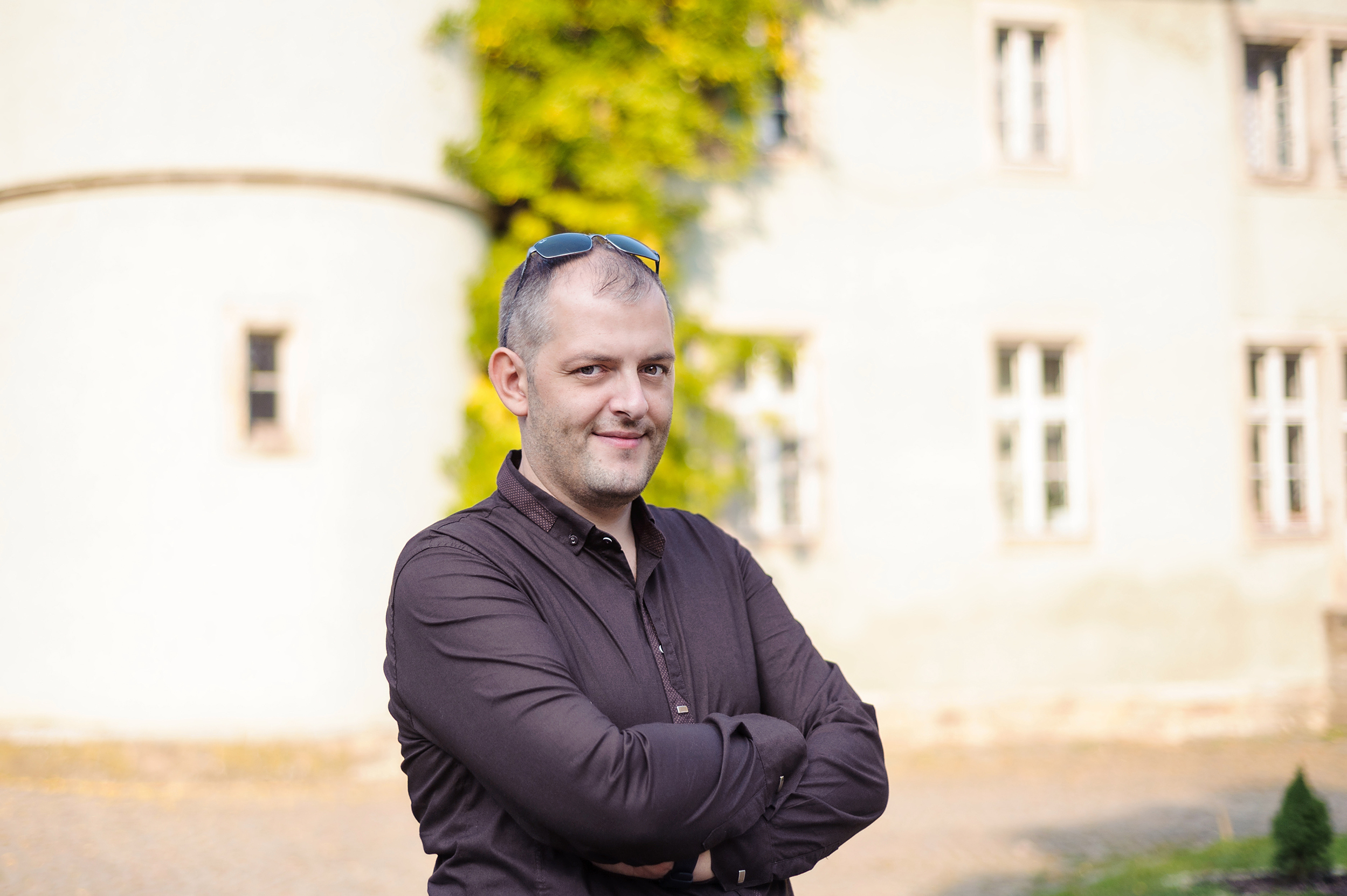
When people talk about cultural movements, they usually focus on artists, audiences, or institutions. Tannon Sweet looks elsewhere: corporations. Long before the Midwest Awards make their public debut, Sweet has been quietly building a business strategy designed to turn companies into cultural allies.
Rather than treating sponsorships as transactional add-ons, he views them as foundational pillars of the movement he’s building. The idea is simple but ambitious: if corporations can fund car factories, sporting arenas, and music festivals, why shouldn’t they also invest in building new cultural institutions?
Turning Sponsorship Into Strategy
Many award shows treat corporate partnerships as an afterthought. They secure sponsors late in the process, often for branding placements or gala tables. Sweet wants something different. He envisions a model where companies see the Midwest Awards as a high-visibility cultural platform, worth backing not just to be seen, but to shape the narrative of a rising entertainment hub.
He often uses General Motors as an example. A legacy company synonymous with the Midwest, GM has the kind of cultural and economic footprint that could lend instant legitimacy to a new cultural movement. Sweet imagines companies like GM saying, “Hey, we want to give you guys $50,000 towards your thing,” not as a one-time contribution, but as part of a longer-term investment in cultural positioning.
This vision treats corporate sponsorship as strategic alignment, not charity. Brands bring capital, networks, and scale. The Midwest Awards bring story, cultural momentum, and audience trust. Together, they could form partnerships that redefine how culture is funded outside Hollywood and New York.
Why Brands Are Paying Attention
Sweet’s pitch to corporate partners isn’t based on vague promises. It’s grounded in timing and opportunity. Missouri’s new tax incentives and the construction of the largest production studio in the country are attracting serious attention from the entertainment industry. Companies are beginning to recognize that this isn’t just a cultural experiment — it’s a genuine economic shift.
By aligning with the Midwest Awards early, brands could position themselves at the center of a cultural and economic transformation. This isn’t just about slapping logos on programs. It’s about co-owning a story: one where companies help shape the identity of a new cultural era.
For corporations that have traditionally struggled to maintain cultural relevance, this kind of partnership offers something rare — authenticity. Instead of chasing trends from the coasts, they can invest directly in building something meaningful from the ground up.
Building a Funding Model That Lasts
Sweet knows that for cultural institutions to endure, they can’t rely solely on ticket sales, grants, or celebrity goodwill. Sustainable growth requires diversified funding streams, and corporate sponsorship is central to that.
His strategy mirrors the way major cultural institutions around the world have thrived. Think of how tech companies fund film festivals, or how automakers back global art biennales. These partnerships don’t just pay bills — they embed brands into cultural narratives.
Sweet wants to apply that model to the Awards. Corporate funding would help finance not only the event itself but also scholarships, nonprofit initiatives, and future growth. It’s the economic engine behind the cultural story.
Pitching Culture to Corporations
Convincing corporations to invest in culture isn’t easy. Many brands are cautious, preferring proven platforms over emerging movements. Sweet’s approach is to speak their language.
He doesn’t pitch vague ideals; he pitches strategic positioning. The Midwest Awards offer companies a way to align with rising cultural capital, access influential talent, and embed themselves in a movement that carries both economic and cultural weight.
His meetings with potential sponsors resemble high-stakes business presentations more than artistic appeals. They’re about market positioning, timing, and narrative ownership. He’s showing companies that they don’t have to be spectators — they can be co-architects of cultural change.
A Bet That Could Reshape How Culture Is Funded
The corporate bet isn’t just about raising money; it’s about changing how culture is built. If companies align early and meaningfully with new platforms like the Midwest Awards, it could create a model where cultural movements grow faster, more sustainably, and with broader reach.
Sweet’s gamble is that corporations will see the same opportunity he does — that investing in culture isn’t just good PR, it’s good business. By embedding themselves in the cultural story from day one, companies can help shape narratives that last for decades.
High Stakes, High Reward
Of course, it’s still a risk. Corporate partnerships can be fickle, and aligning cultural visions with business goals is never simple. But Sweet is betting that the timing, the story, and the scale of the opportunity are too compelling to ignore.
If it works, he won’t just have sponsors; he’ll have cultural co-founders. And that could make the Midwest Awards something far more enduring than a single event.