A seven-year-old who loves soccer gets invited to a travel team. By nine she plays year-round. By twelve she has had two overuse injuries and is thinking about quitting. Coaches, doctors and parents see some version of that story every season.
What pediatricians recommend
In 2016, the American Academy of Pediatrics published guidance on sports specialisation and intensive training in young athletes. Its authors advised delaying specialisation in a single sport until mid to late adolescence, around 15 or 16 for most sports, noting that early specialisation is associated with higher rates of overuse injury and burnout. They encouraged children to play multiple sports.
The reasoning is practical. Different sports load the body in different ways, reducing repetitive strain. Children develop a wider range of movement skills. And a child who has tried several sports is more likely to find one they want to keep playing.
Why children stop
Plenty of children leave organised sport before their teens. Cost plays a part, and so do burnout, pressure and simply never finding the right fit. A child pushed into one sport early has fewer places to go when that sport stops being fun.
The case for sampling days
Sampling events give children a low-stakes way to try several sports in one session. They work best when they remove every barrier at once: no fee, no experience needed, no tryout, no commitment.
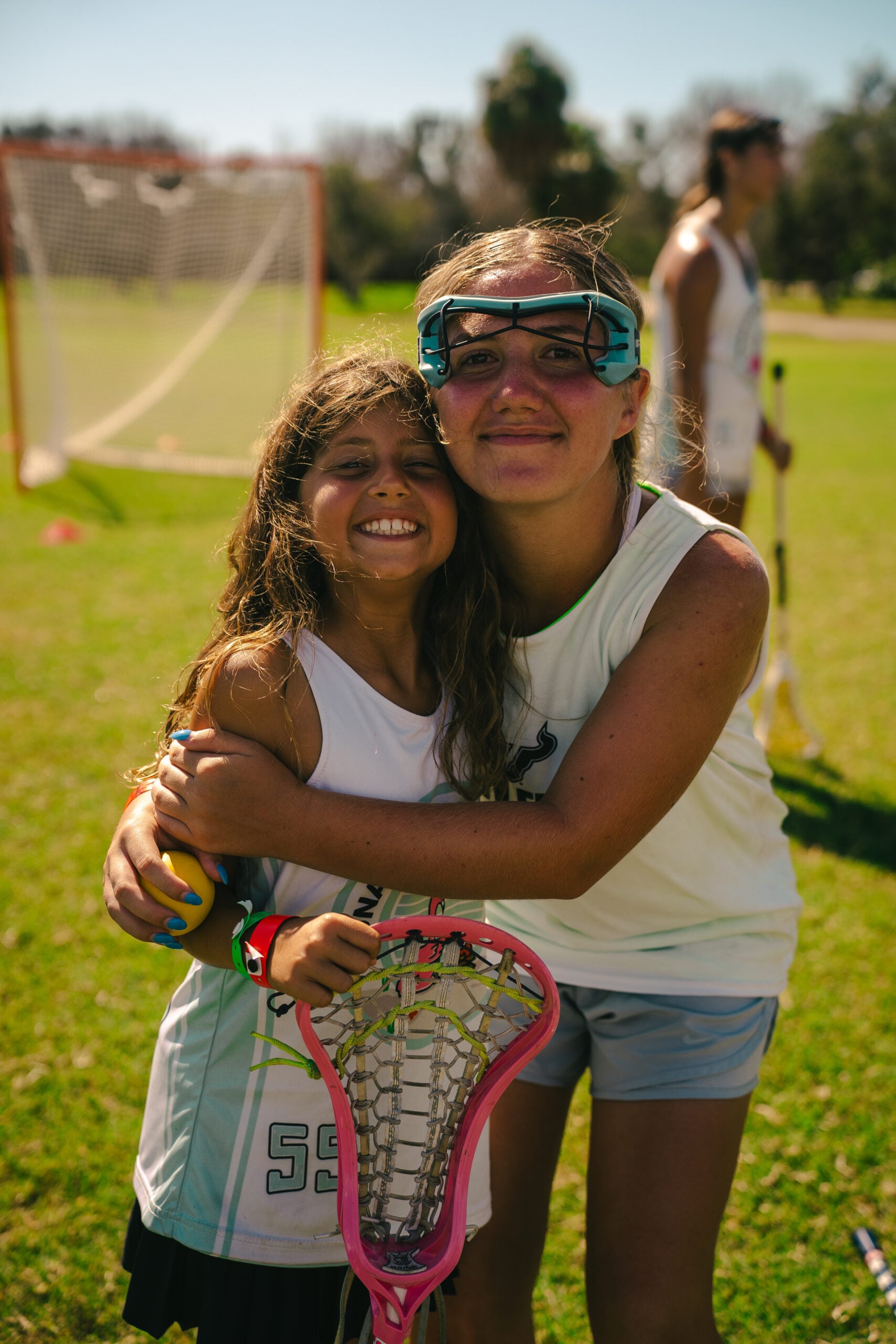
The Signature Foundation, the 501(c)(3) non-profit arm of Tampa-based Signature Athletics, runs free Try Sports Days on that model. According to the company, the events are round-robin sessions where any child can try multiple sports with no registration fee and no prior experience, led by certified coaches in a low-pressure setting.
The foundation ties those days to a larger goal. Signature Athletics has set a mission of getting 10 million new kids playing sports by 2030, and the foundation also runs a Back2Sports Scholarship Fund for children in partner programs who might otherwise stop playing because of cost.

How parents can encourage sampling
- Rotate seasons. One sport in autumn, another in spring, something unstructured in summer.
- Look for free clinics and try days through local clubs, parks departments and non-profits.
- Watch for the fun. A child who talks about a sport in the car on the way home has found something.
- Resist early pressure. A travel invite at eight is not a scholarship offer.
- Keep free play. Backyard games and pickup sessions build skills too.
For programs
Clubs benefit from sampling as well. A child who tries lacrosse at a free event may join a beginner program next season. Programs that offer entry-level and recreational tiers, not only competitive teams, give those children somewhere to go once they have found their sport.
Give them the chance to choose
Children rarely know at seven which sport they will love at fifteen. The best thing adults can do is give them enough chances to find out, at a price every family can manage.